Source plastic cutting long reach pliers for fishing, wiring, and trimming
Compare 30 listings of plastic cutting long reach pliers designed for fishing line management, wire stripping, and general cutting tasks. Buyers can evaluate specifications like size, material, and customization options to find the right tool for professional or hobbyist use.
Key considerations
Products List




Comprehensive Sourcing Guide
Plastic Cutting Long Reach Pliers Sourcing Guide
Sourcing specialized cutting tools for industrial or professional use requires a disciplined approach to verifying material integrity, mechanical leverage, and supplier reliability. While the core keyword suggests a focus on plastic cutting, the available market data indicates a broader category of multi-functional hand tools, including fishing pliers and combination pliers, which often share similar structural requirements such as high-carbon steel construction and specific length standards. Buyers must navigate this overlap by clearly defining whether the primary need is for general-purpose cutting, wire stripping, or specialized tasks like lure handling, as these distinctions directly impact the selection of the correct tool model and material specification.
The procurement process for these tools is heavily influenced by commercial terms such as minimum order quantities (MOQ), lead times, and customization options. Observed market signals show a wide variance in pricing and order volumes, with MOQs ranging from single units to large bulk orders of up to 100,000 pieces. This variability suggests that buyers can access both sample-level testing and large-scale industrial supply chains, but they must carefully align their order volume with the supplier’s production capacity and payment terms, which often include deposit structures and specific shipping packaging requirements to ensure product safety during transit.
Product Scope and Observed Listing Signals
The current market landscape for cutting pliers includes a diverse array of models designed for specific applications, ranging from fishing line management to general building decoration and wire work. Listings frequently highlight tools with materials such as metal, high carbon steel, and stainless steel, indicating that durability and corrosion resistance are key differentiators. For instance, models like the ST-317CC and ST-327SC are specified with lengths of 6.5 inches and 7.5 inches respectively, catering to users who require precise reach and leverage for tasks such as cutting fishing lines or removing hooks. These specifications suggest that "long reach" in this context often refers to standard professional lengths rather than extended industrial variants, requiring buyers to verify the exact inch or centimeter measurements against their operational needs.
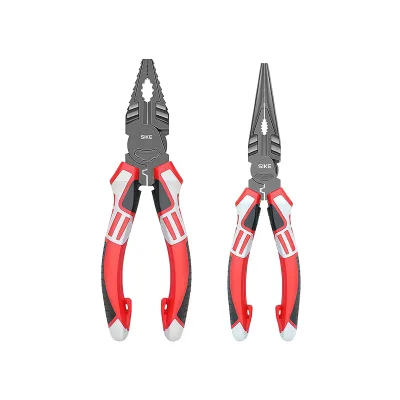
Functional attributes observed in the market extend beyond simple cutting, with many tools offering multi-purpose capabilities such as wire stripping, crimping, punching, and twisting. The presence of features like half-box joint structures and straight shaft styles indicates a design focus on mechanical efficiency and ergonomic handling. Additionally, the availability of colorful handles and professional branding options suggests that these tools are marketed towards both individual professionals and bulk corporate buyers who may require custom logos. Buyers should note that while some listings emphasize fishing-specific uses, others highlight general hand tool applications, necessitating a clear definition of the end-use to avoid purchasing tools with inappropriate performance characteristics for the intended task.
Technical Specifications to Verify
When evaluating technical specifications, the material composition is a primary determinant of tool performance and longevity. High carbon steel and stainless steel are commonly cited materials, each offering distinct advantages in terms of hardness and corrosion resistance. Buyers must verify the specific grade of steel used, as this directly impacts the tool’s ability to maintain a sharp edge when cutting through tough materials like plastic or wire. The structural design, such as the half-box joint, also plays a critical role in the tool’s durability, providing enhanced strength and stability during high-torque operations. It is essential to confirm that the joint mechanism is robust enough to withstand repeated use without loosening or failing, which could compromise safety and efficiency.
Dimensional specifications and packaging details are equally important for ensuring the tool fits within the buyer’s operational and logistical constraints. Standard lengths observed in the market include 6.3 inches, 6.5 inches, and 7.5 inches, with some models offering a range of sizes to suit different hand sizes or task requirements. Packaging varies from individual OPP bags with cards to bulk carton and pallet configurations, which affects storage and shipping costs. Buyers should verify the net and gross weights, as well as the dimensions of the single package and carton, to accurately calculate freight costs and warehouse space requirements. Additionally, the availability of samples allows buyers to physically assess the tool’s ergonomics, handle comfort, and cutting performance before committing to a large order.
Compliance and Safety Documentation
Safety and compliance are paramount when sourcing hand tools that involve sharp edges and high mechanical stress. While specific certification statuses may vary by supplier, buyers should inquire about adherence to recognized safety standards for hand tools, such as IEC60900 for electrical safety if the tools are intended for use in electrical environments. Although some listings mention Reach compliance, buyers must verify the current status of these certifications to ensure that the materials used in the tool’s construction, including any coatings or handle materials, meet international environmental and health regulations. This verification is crucial for avoiding regulatory hurdles in target markets and ensuring the safety of end-users.
Documentation should also include clear instructions for safe operation and maintenance, as well as warranty information that outlines the supplier’s commitment to product quality. A warranty period of two years, as observed in some listings, indicates a level of confidence in the product’s durability, but buyers should clarify the terms and conditions of this warranty, including what constitutes valid use and how claims are processed. Additionally, suppliers should provide material safety data sheets (MSDS) if the tools involve any chemical treatments or coatings, ensuring that buyers are aware of any potential hazards associated with the product’s lifecycle.
Cost Drivers and Commercial Terms
The cost of cutting pliers is influenced by several factors, including material quality, manufacturing complexity, and order volume. High carbon steel and stainless steel materials typically command higher prices due to their superior performance and durability, while customization options such as logo printing and specialized packaging can add to the overall cost. Buyers should expect a wide range of prices, from low-cost options for basic models to premium pricing for professional-grade tools with advanced features. Understanding these cost drivers allows buyers to make informed decisions about where to invest in higher-quality tools for critical applications and where cost-effective solutions may suffice for less demanding tasks.
Commercial terms, including payment methods and lead times, are critical components of the procurement process. Suppliers often require a deposit, such as a 30% TT deposit, with the balance paid before shipment, which helps manage cash flow and production scheduling. Lead times can vary significantly, with some suppliers offering quick sample delivery within 3-5 days and bulk production times ranging from 30 to 40 days. Buyers must align their procurement timelines with these lead times to avoid production delays, and they should negotiate clear terms for sample availability and cost, as well as any potential discounts for larger order volumes.
Supplier Qualification and Quality Control
Supplier qualification is a key step in ensuring the reliability and consistency of the products received. Buyers should verify the supplier’s manufacturing capabilities, including their production facilities in regions like Guang Dong, China, and their ability to maintain consistent quality across large order volumes. Quality control processes should be clearly defined, with suppliers providing evidence of inspection procedures at various stages of production, from raw material intake to final packaging. The observation of "Good" quality ratings in some listings suggests that many suppliers maintain high standards, but buyers should request detailed quality control reports and, if possible, conduct third-party inspections to verify these claims.
Customization and branding capabilities are also important indicators of a supplier’s professionalism and flexibility. Suppliers that offer logo customization and flexible packaging options demonstrate an ability to meet the specific branding and logistical needs of their clients. Buyers should assess the supplier’s responsiveness and communication skills, as these factors are crucial for resolving any issues that may arise during the procurement process. Additionally, suppliers with a track record of successful exports and positive customer feedback are generally more reliable partners for long-term procurement relationships.
Long-Term Procurement Checks
Establishing a long-term procurement strategy for cutting pliers involves regular performance reviews and continuous improvement initiatives. Buyers should monitor the performance of the tools in the field, tracking metrics such as durability, user satisfaction, and any incidents of failure or injury. This data can be used to provide feedback to suppliers and drive improvements in product design and manufacturing processes. Regular audits of supplier quality control systems and compliance documentation are also essential to ensure that the supplier continues to meet the buyer’s standards and regulatory requirements over time.
Building a strong relationship with suppliers can lead to better pricing, priority production scheduling, and access to new product innovations. Buyers should engage in open and transparent communication with their suppliers, sharing market insights and future procurement plans to foster a collaborative partnership. Additionally, diversifying the supplier base can mitigate risks associated with supply chain disruptions, ensuring that the buyer has access to alternative sources if needed. By maintaining a proactive approach to supplier management and quality assurance, buyers can secure a reliable supply of high-quality cutting pliers that meet their operational needs and support their business objectives.
FAQs
What materials are used for these pliers?
The pliers are constructed from metal, specifically high carbon steel or stainless steel depending on the model. This ensures durability and resistance to corrosion during fishing or construction tasks. Buyers can select the material that best suits their specific application needs.
Which sizes are available for these tools?
Available sizes range from 6.3 inches to 7.5 inches, with options categorized as middle or large. Specific models like ST-317CC measure 6.5 inches while ST-327SC measures 7.5 inches. Customers should verify the exact standard size required for their project before ordering.
Can I request custom logos on the product?
Yes, customization is available including the option for any logo to be applied to the tools. This service allows buyers to brand the pliers for their specific business needs. Customization options are confirmed as available for the listed product models.
How long is the lead time for orders?
The standard lead time for production and delivery is between 30 to 40 days. This duration applies to bulk orders placed with the suppliers. Buyers should plan their procurement schedule accordingly to ensure timely receipt of goods.
What is the minimum order quantity required?
The minimum order quantity ranges from 1 to 100,000 units depending on the specific supplier and product model. This flexibility allows both small and large buyers to place orders. The exact MOQ should be confirmed with the vendor before finalizing the purchase.
Where are these pliers manufactured?
The products originate from Guang Dong, China. This location is the primary production hub for the listed models. Buyers sourcing from this region can expect consistent manufacturing standards and established supply chains for these hand tools.
What functions do these pliers perform?
These tools are designed for cutting, wire stripping, crimping, and punching operations. They are also used to cut fishing lines, remove hooks, and tie fishing lines. The multi-functional design makes them suitable for both industrial and recreational applications.